Cheap Semaglutide Bulk Peptides for Supplier
We are the industry-leading supplier of high-purity Semaglutide bulk peptides, offering researchers >99% purity and tiered wholesale pricing. Secure premium GLP-1 analogs with verified COAs and fast cold-chain shipping for your laboratory. Order your bulk research supply from Veltrix Peptides today.
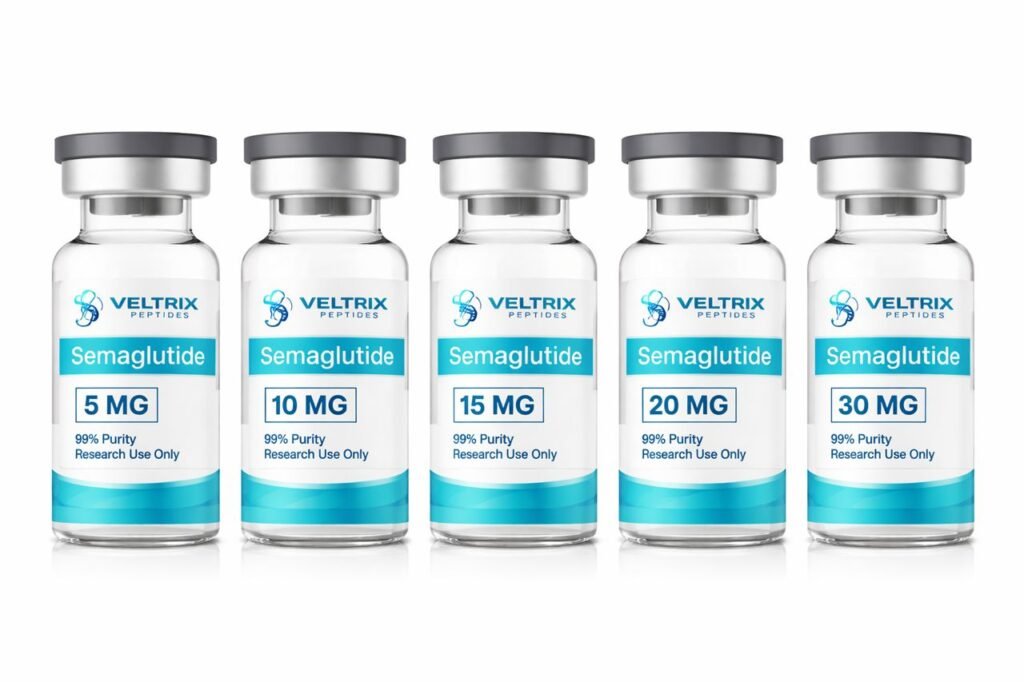
Semaglutide is a synthetic glucagon-like peptide-1 (GLP-1) receptor agonist that acts as a long-acting analog of the natural hormone GLP-1, used to treat type 2 diabetes and obesity. It works by enhancing insulin secretion, suppressing glucagon, slowing gastric emptying, and reducing appetite. It is commonly known by brand names like Ozempic and Wegovy.
Key Features & Mechanism
- Mechanism: Semaglutide is a modified peptide structure with a 31-amino acid sequence, featuring a fatty acid chain that allows it to bind to albumin, significantly extending its half-life to roughly one week.
- Appetite Control: It mimics GLP-1 to enhance satiety and decrease hunger, leading to reduced food intake and significant weight loss, often reported around 15% in clinical trials.
- Glucose Management: It improves glycemic control by stimulating insulin release when blood sugar is high. Veltrix Peptides.
Clinical Uses and Approval
- Type 2 Diabetes: Used for blood sugar regulation.
- Weight Loss: Approved for chronic weight management in adults with obesity or weight-related conditions.
- Cardiovascular Health: Known to reduce the risk of cardiovascular events, such as stroke or heart attack, in patients with diabetes.
Administration and Safety
- Dosage Form: Typically administered as a weekly subcutaneous injection, though an oral option exists.
- Side Effects: The most common adverse effects are gastrointestinal, including nausea, vomiting, diarrhea, abdominal pain, and constipation.
- Storage: The peptide is typically stored in the refrigerator.
Side effects
Possible adverse effects include nausea, diarrhea, vomiting, constipation, abdominal pain, headache, fatigue, indigestion/heartburn, dizziness, abdominal distension, belching, hypoglycemia (low blood glucose) in people with type 2 diabetes, flatulence, gastroenteritis, and gastroesophageal reflux disease (GERD).[15] It has in the past been suspected to cause pancreatitis, and can cause gastroparesis and bowel obstruction.[42] Among people who were prescribed a glucagon-like peptide-1 (GLP-1) medication, 0.1% were diagnosed with gastroparesis at least six months later, which equates to a 52% increased risk of being diagnosed with gastroparesis while on a GLP-1 medication.[43] A 2019 meta-analysis did not indicate a significantly elevated risk of acute pancreatitis.[44]
The US prescription label for semaglutide contains a boxed warning for thyroid C-cell tumors in rodents.[13][14][15][45] It is unknown whether semaglutide causes thyroid C-cell tumors, including medullary thyroid carcinoma, in humans.[13][14][15][45][46]
In January 2026, the US Food and Drug Administration requested removal of suicidal behavior and ideation warning from glucagon-like peptide-1 receptor agonist (GLP-1 RA) medications.
Important Notes
Semaglutide should only be used under medical supervision. It is not approved for use in combination with other GLP-1 receptor agonists, and potential side effects may include rare risks like pancreatitis or thyroid C-cell tumors.